Rental Car Inspection Checklist: Photograph Before Driving
· 7 min read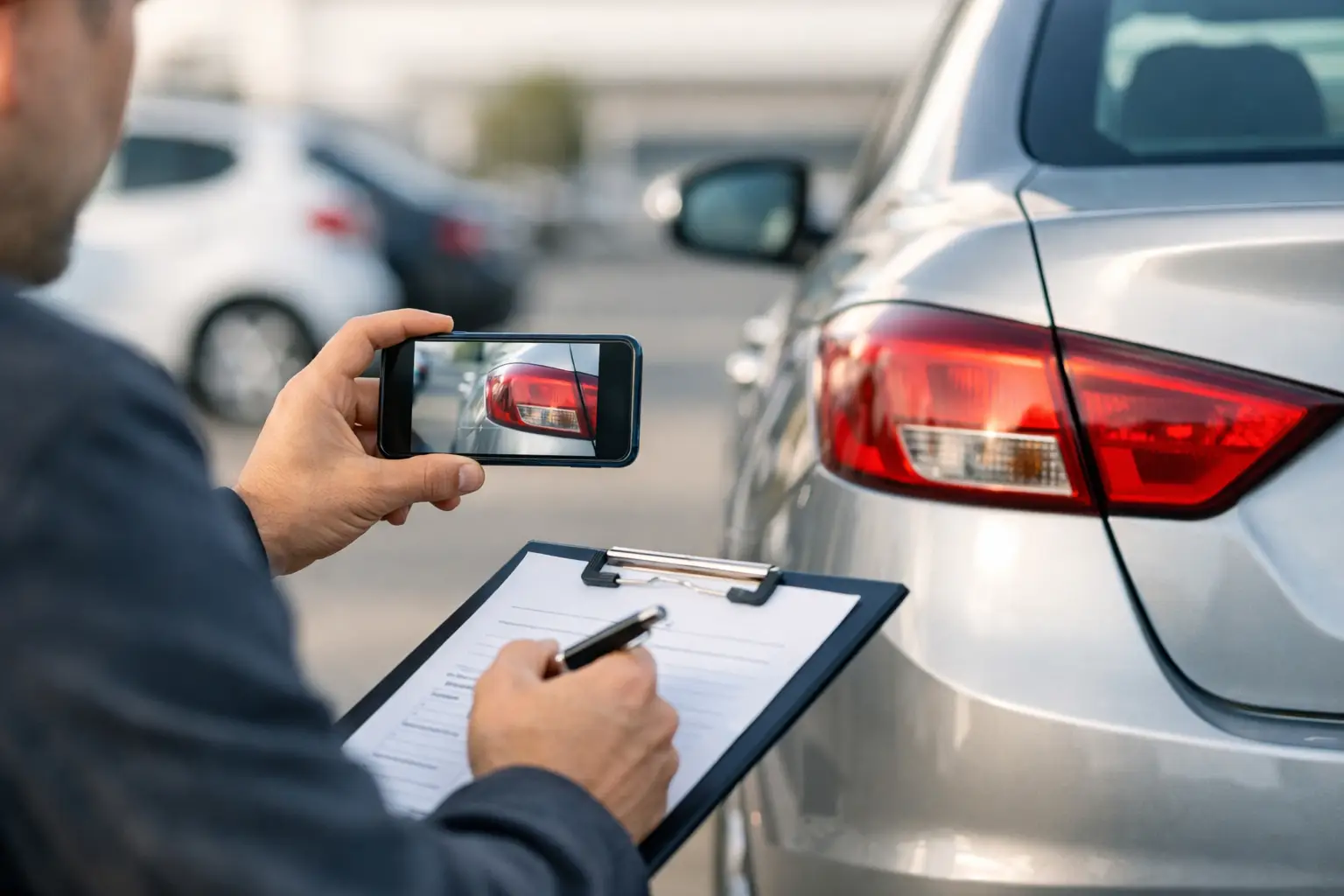
The car may look spotless in the pickup bay, but a quick look is not the same as a proper record. This rental car inspection checklist: what to photograph before driving away helps you document the vehicle’s condition before you leave, reducing the chance of a dispute about damage that was already there.
It takes only a few minutes, and it is worth doing whether you are hiring a small city car for a weekend, a family SUV for a Perth road trip, or a ute for a practical job. Take the photos before loading bags, adjusting the seats or driving out of the collection area.
Why photos matter at collection
A rental vehicle can have small marks that are easy to miss in poor light: a scuff on a bumper, a chip in the windscreen or light kerb damage on an alloy wheel. The collection report should record existing damage, but your own time-stamped photos provide an extra reference if something needs to be checked later.
Photos are not about expecting a problem. They are about starting with a clear record, just as you would check the fuel level and make sure you understand the return arrangements. Clear evidence protects both you and the rental provider, and makes the handover simpler.
Use your mobile’s standard camera. Keep location and date settings enabled if you are comfortable doing so, and take a short video as well as still images when the condition is difficult to show in one frame. Do not rely on photos sent through social media, where image quality or metadata may be reduced.
Rental car inspection checklist: what to photograph
Start with a full walk-around. Stand far enough back to capture each side of the vehicle in a single image, then move closer for any existing marks. Photograph in good light where possible. If you are collecting the car in a covered area or after dark, turn on your flash only if it makes the detail clearer rather than creating glare.
Take photos of these areas before driving away:
- The front, rear, driver’s side and passenger’s side, including the number plate in at least one wide shot.
- The front and rear bumpers, grille, headlights, tail-lights and fog lights where fitted.
- Every door, the bonnet, roof, boot or tailgate, side mirrors and window glass.
- Each wheel and tyre, especially alloy rims that may have kerb rash, plus any visible tyre wear or damage.
- The windscreen, rear window and side windows, looking for chips, cracks or scratches.
- The interior, including seats, floor mats, dashboard, centre console, door trims and boot space.
- The instrument cluster with the odometer, fuel gauge and any warning lights visible after the vehicle starts.
- Accessories supplied with the vehicle, such as a charging cable, child seat, spare wheel kit or cargo cover, if relevant to your booking.
Wide photos establish the overall condition. Close-ups show the detail. For a scratch or dent, take one image from about a metre away so its location is obvious, then one closer image that clearly shows its size and shape. If possible, include a fixed reference point such as a door handle, wheel arch or tail-light.
Capture damage from more than one angle
A shallow scratch can disappear in a straight-on photo, while a dent may be hard to see without light reflecting across the panel. Take two or three angles for anything already marked on the vehicle. Move slowly around the car and use the light to your advantage.
This is particularly useful for bumper corners, lower door panels and alloy wheels. These are areas where everyday wear is common and where a rushed inspection can miss small damage. If the vehicle is wet or dusty, photograph the area anyway and point it out to the staff member. Ask for the condition report to be updated if the mark is not listed.
Photograph the condition report too
Before leaving, compare your photos with the rental condition report. Photograph the report or save a copy if it is supplied digitally. Check that existing damage is shown in the right location, not simply noted as a general mark.
If you find something that is missing, notify the provider straight away. A quick update at collection is much easier than trying to explain a mark after the vehicle has been used. Keep any confirmation message or revised report with your booking records.
Check more than cosmetic damage
Photographs are useful, but they do not replace a basic safety and usability check. You do not need to be a mechanic. You are simply making sure the vehicle is suitable for the trip you have planned.
After taking exterior images, sit in the driver’s seat and check that the mirrors adjust, the seat and steering wheel are comfortable, and the controls make sense to you. Start the car and look at the dashboard. A warning light that stays on, an unusually low fuel reading or a tyre pressure alert should be raised before you depart.
Test indicators, brake lights where practical, headlights and wipers. In Perth’s dry months, windscreen washers can be easy to overlook, but a dirty windscreen can quickly become a visibility issue when the sun is low. If you are travelling with children, confirm that the child seat is correctly fitted and that you know how to adjust it before setting off.
For longer journeys, also check the spare tyre or repair kit is present if one is listed for the vehicle. You do not need to unpack everything, but knowing what has been provided avoids surprises if you need it later.
Match the photos to your rental agreement
A careful inspection is most effective when you know what the agreement says about fuel, kilometre limits, damage and return condition. Take a moment to confirm the starting fuel level and odometer against the collection paperwork. Photographing the dashboard gives you a simple record of both.
The same approach applies to accessories and vehicle cleanliness. If the boot contains a cargo cover or charging lead, take a photo before use. If there is existing sand, pet hair or a stain inside the vehicle, record it and let the provider know. This is not about documenting every speck of dust. Focus on anything that could reasonably be mistaken for damage or a cleaning issue at return.
Terms vary between bookings, so do not assume every provider handles minor marks, fuel or cleaning in the same way. If a condition on the agreement is unclear, ask before leaving the car park. A straightforward answer upfront gives you more control over the cost of your hire.
A quick inspection order that works
The easiest method is to follow the same order every time. Begin outside at the front of the vehicle, move clockwise around it, then photograph the roof and glass. Check the wheels as you reach each corner, then photograph the interior, boot and dashboard last.
This process prevents you from doubling back and makes it less likely that you will miss a side of the car. Most people can complete it in five to 10 minutes. It may take slightly longer for a larger SUV, van or ute, or when the vehicle has several existing marks.
Do not rush because others are waiting at collection. A clear inspection is a reasonable part of taking responsibility for a rental vehicle. If you need better light or want staff to look at an unrecorded mark, do that before you drive beyond the collection area.
Store your photos until the booking is closed
Create a folder on your mobile with the vehicle registration and collection date. Keep the original images, the condition report and any messages about pre-existing damage until the rental is finalised and any bond process is complete.
At return, repeat the same walk-around and photograph the fuel gauge, odometer and vehicle condition. This gives you an equally clear record of how you returned it. If you have parked somewhere dim, use a well-lit area where permitted or take photos that make the condition visible.
A few calm minutes at collection can make the rest of the trip feel simpler. With a clear record, you can get on with using the vehicle for what you actually need - and with TAK8, choose a rental period that fits your plans.